Author Archives: kevin

About kevin

I write the posts

Poor people are probably not happier, or better off, than we are

One thing that's really gotten on my nerves recently is when other volunteers or people I know talk about how happy people in the rural villages are. The person who brings this up usually goes on to imply one of two things: a) these people are happier than people in the West, and we should be embarrassed to have so much and yet so desperately seek happiness, or b) in absolute terms, their lives are better. Sometimes this is accompanied by the speakers longing for simpler times, without so much technology. This is also the premise behind the ending to the final season of Battlestar Galactica; the space folk find a planet inhabited by simple people, with limited technology, and decide to abandon their sophisticated, space-faring ways and lead pastoral lives. We're led to believe that millions of people voluntarily give up their technology for a fresh start. This is also the message that Jesus had for the tax man when he said, "Again I tell you, it is easier for a camel to go through the eye of a needle than for a rich man to enter the kingdom of God." Granted, Jesus may have been discussing a gate rather than a sewing needle, but the message remains: to earn eternal life, you have a better chance if you give up your possessions. Presumably giving up your possessions makes you less selfish, more aware of suffering, or merely benefits others enough that it's worth it for you to do. Given this evidence, the way people talk about the poor, and the urging of a figure hailed as a savior by billions, I would expect rich people to abandon their possessions in droves. Surely if being poor, and lacking possessions, was so much better for peoples happiness, or if they were serious about gaining eternal life, then they would shun new technology, give up their things and live among the world's poorest. Even if a fraction of a fraction of Western civilization acted on this idea, we're still talking about a hundred thousand people or more. The fact that virtually no one from Western civilization actually does this, to my knowledge, leads me to conclude that pretty much everyone prefers having more money, and more possessions, to having less money and fewer possessions. This is backed up by the Stevenson study showing that everywhere around the world higher income is related to higher levels of happiness. These both suggest that development measures tied purely to increasing levels of income among rural villagers aren't terrible. Why do so many rich people talk like that, where they imagine that poor people are relatively happy? I can think of two reasons. One, it's extremely difficult to imagine what life is like as a poor person. If you've always earned a steady income, had access to food, and/or had health insurance, it might be hard to imagine life where you earn 70% of a meager yearly income in only two months, where you may have to skip meals, or where a simple trip to the doctor can waste a months salary. Furthermore, the consumption margin for the rich is things like iPhones, more clothes, or a fifth TV. The relevant consumption margin for the poor are goods like a laundry machine or dishwasher, a first TV or mobile phone, or a first two wheeler. These are all goods which we use every day and can't really imagine what it would be like to live without. Doing laundry by hand for three months has taught me that it really sucks, both in terms of time and effort, and I don't doubt that having the means to save time and acquire a laundry machine would make people happier. The second reason might be an attempt by rich people to rationalize vast differences in wealth by noting that the poor are happy. From a utilitarian perspective, a marginal dollar gives more benefit to a poor person than a rich person, putting the rich in an uncomfortable position. Any measure which allows people to justify not immediately giving all of their money to the poor is usually welcome.

Liked what you read? I am available for hire.

The infinite bits problem; skills I’d like to build upon

The other day I made this list of things I'd like to learn more about (within the next year). I'm convinced that not focusing on one area has really hurt my impressiveness, so I need to cull this down and ruthlessly prioritize. The first priority at this moment is landing a kickass job, so that'll take precedence. I started by deleting RSS feeds not related to these areas. If you don't at least have a list of skills you'd like to improve upon you're probably spinning your wheels. I welcome comments. Desired skills/areas of knowledge Increasing Productivity Better speaking Reading faster Management skills Making people happy Linear programming Accounting Interview - Conducting and Responding Programming (general) Finance (options, bonds) Reading faces Game Prospect theory "Finding alpha"-related theory (hurdle rate) Depression Asperger's Syndrome Ways to increase or lower someone's status Coaching/Leading people (basketball) Consulting (knowledge) Web Design Design/Usability Photoshop summer activities: working at atlassian explore green startup speech coach coaching AAU consulting blog reading 1 book a week practicing game thesis Filming myself omnifocus plugin/iphone app toastmasters (?) 10 informational interviews Weekly podcasts next fall activities: start-up business Advice for a quarter stand thesis apply for jobs the cmc forum (?) complete classes Robert Day coaching practice interview club good eating club Create online course guide for CMC students planned courses: programming (practice for the ACM) thesis accounting accounting linear programming next semester: philosophy neuroscience (fulfill bio GE) accounting/economics computer science

Liked what you read? I am available for hire.

Street Egg Curry recipe

2-3x eggs
x tomatoes
1/2-1/3x onions
some coriander leaves
1/4x sprigs of ginger
Some garlic
2x green chillies
5-6x small slices of bread, maybe 2 inches on a side.

Spices:
Ketchup
Salt
Garam masala
Chilli powder
Coriander powder (optional)

Here’s a photo of all of the ingredients laid out:

Recipe:

  • First, boil the eggs for 15-20 minutes. For the newcomer this means you put them in water and turn the stove on high for 15-20 minutes. This turns the eggs interior from runny to mildly clingy. I didn’t actually know that before I started cooking last night, if you wanted an idea about how clueless I am in the kitchen.
  • While that’s going wash and chop all of your vegetables.
  • Grab a mortar and pestle and crush the garlic and ginger. Yeah, a motherfucking mortar and pestle, like you learned about in 3rd grade history class. If you’re feeling less manly you can substitute a rolling pin and board.
  • When the eggs are done pour the water out and peel the shells. This is easier to do when the eggs are cool.
  • Chop the eggs up into about 6 parts per egg. Again, if you want to be super manly palm the egg and run a string through it 3 times. I didn’t have a string like Kumar does so I used a knife.
  • Add a little bit of oil, Throw the eggs in the pan/wok (it’s best if you have a really wide motherfucker) and turn on the stove.
  • After 20 seconds or so add the rest of the oil, the onions, and the chillies. Use your spatula
  • After 2mins 30seconds add the tomatoes
  • After 5 mins add enough chilli powder and garam masala so that you think it’ll be pretty spicy. I guarantee you did not add enough to achieve the proper level of spice, so add about 50% of what you just added. Also add ketchup liberally (ideally Tiluram’s, the hot kind), coriander powder, and salt. Mix well w/ the spatula.
  • After 8 mins 45 seconds turn off the stove and pour the curry into a secondary container. Lay all the slices of bread in the pan and use it to scoop up the sauce that remains. When they’re mildly toasted flip em over. It looks like this:

Add the coriander leaves, put some onions and ketchup on the side and serve!

Here is a photo of the final result. It was really tasty, I’m going to try to make it at least once a week.

Again, here’s a photo of what I was aiming for:

Liked what you read? I am available for hire.

10 books that influenced me most

Jules Feiffer and Norton Juster, The Phantom Tollbooth – This was my favorite book growing up. I spent a lot of childhood trying to be creative and play with words in the same way they do in the book, efforts which weren’t entirely appreciated or understood by most of the people I hung around with, and wishing I could go through the tollbooth too. Maybe this book taught me to see things differently than everyone else.

Steven Levitt and Stephen Dubner, Freakonomics – If marijuana is a gateway drug, then Freakonomics is a gateway book. This was the first “adult” book I ever read, and I think I zoomed through it in about four hours one afternoon. Since then I’ve hardly read any fiction books. I credit Freaknomics with getting me excited about taking economics classes, which has prompted a rapid shift in my worldview since high school. I also credit the book for teaching me to think about ordinary events in terms of economics, and about the importance of separating correlation from causation. I also started reading RSS feeds, and blogging, shortly after reading Freakonomics.

Mark Haddon, The Curious Incident of the Dog in the Night-Time – This is a great story about an autistic kid navigating London from his mother’s house to his father’s. More importantly, for the first time I was able to relate parts of my personality to someone else; I could understand why the book’s narrator thought the way he did, why he felt the way he did around friends and family, and remember times when I’d had similar thoughts and acted out in similar ways. Obviously not to the same degree as the narrator, who once for example sat in the subway with his head in his hands for six hours, but in a small and important way.

Donald Norman, The Design of Everyday Things (more generally, the Signal vs. Noise and Alertbox blogs) – This book got me thinking about how things are designed, how form and function go together, and how you should be able to figure out how to use items just by looking at them. Like most people I hate products that aren’t usable and I hope to create usable products in the future. For the first time I started to understand the principles behind usability.

Tim Ferriss, The Four Hour Workweek – This is cliche but it’s more a book about how to live, and a way of looking at tasks, than it is about work. Ferriss’s whole goal is to teach people to separate inputs from outputs (40 hours of labor, a salary) and focus on getting the highest output from the lowest input (working 4 hours a week, sipping mai tais in Thailand). The most useful bits for me were the parts about how to get really good at something really quickly, and that the status quo bias is powerful; most people don’t want to increase their skill sets, or self-experiment. This book also got me interested in trying to travel as much as possible.

Neil Postman, Teaching as a Subversive Activity – In high school I had a few awful teachers, and other classes where I felt I was just spinning my wheels. This book was an eye-opener and gave me a new perspective on what it means to be a good teacher; your goal should be to question students, and force them to question their assumptions. Later I started to recognize the importance of teaching skills too; at some point you might have to teach calculus, or whatever.  I think I printed out copies of one of the chapters and put them in every faculty member’s mailbox. I need to reread this soon.

Strunk & White, The Elements of Style – Avoid using five words when two will do! This book is as a lifestyle guide as much as it is a book about editing. When in doubt, simplify. I struggle to cut long pieces down to short ones, and remove clutter from my life, but they are both admirable goals.

Bryan Caplan, The Myth of the Rational Voter – Suggesting that we can do better than democracy is pretty close to apostasy in modern American politics. However Bryan Caplan makes a convincing case that voters are not rational, and their mistakes don’t cancel out, mainly because they are uneducated about the logic behind things like productivity and immigration. This book started me thinking about the importance of making sure people understand economic principles, and generally that people are irrational, and our current setup might not be the best one we have.

Michael Lewis, Moneyball – I loved this book because I’m an A’s fan and also because I love the idea of crushing other people because you found a better way to do things. People say that Billy Beane was a fluke because now the A’s are bad. That’s stupid, because learning the A’s are bad is evidence that higher budget teams have caught on, and are starting to value players properly. I know Jeremy Brown was a bust but this is still a great teaching tool.

Nassim Nicholas Taleb, The Black Swan – This book was pretty important in developing how I think about the financial markets. Taleb’s argument is that every few years an event comes along that models simply can’t predict, so most models are useless. Distributions of financial data are simply not normal. Let’s say 50 people are placed in a room; their heights should be distributed normally, but if one person is Bill Gates then the income distribution will be completely skewed. Also Taleb talks about scalable professions; even the best lawyer in the world is limited by how many hours he can bill, but the world’s best author can sell an infinite number of books, or the world’s best financier can make billions through smart trading.

Fictional books I’ve enjoyed reading: Harry Potter, Dune, the Redwall series, the Bible, Catcher in the Rye anything by Neal Stephenson. There are also a fair number of bloggers whose posts have been an influence, but we’re on the subject of books.

Liked what you read? I am available for hire.

Fonts of India

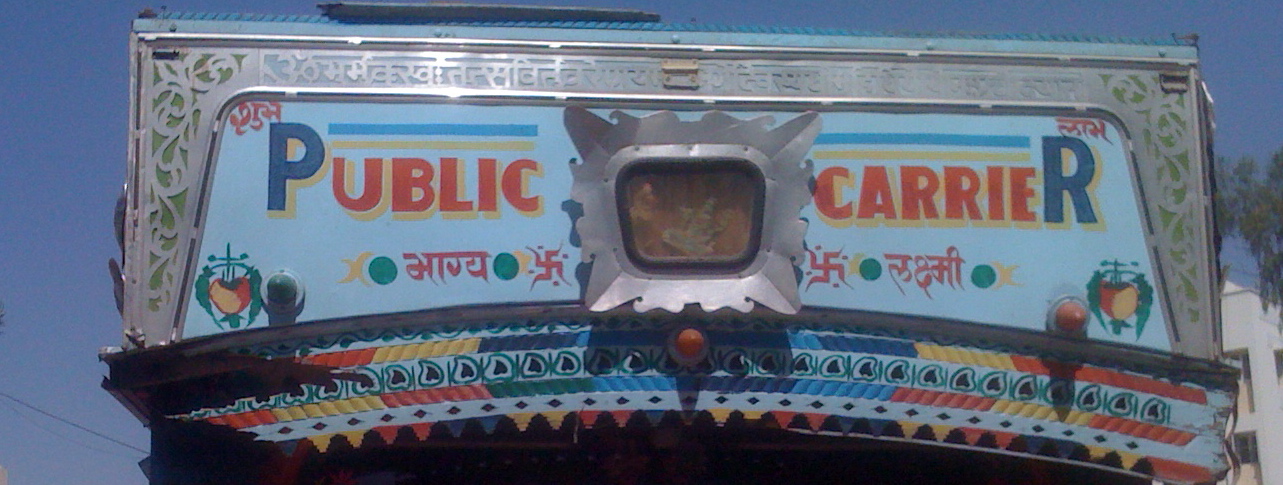
The painted typography here is beautiful. A large percentage of the hand-painted signs have excellent fonts and cool drop shadows or borders. Here are some examples:


noparking

purohit

carrier

white

lakeway

bank

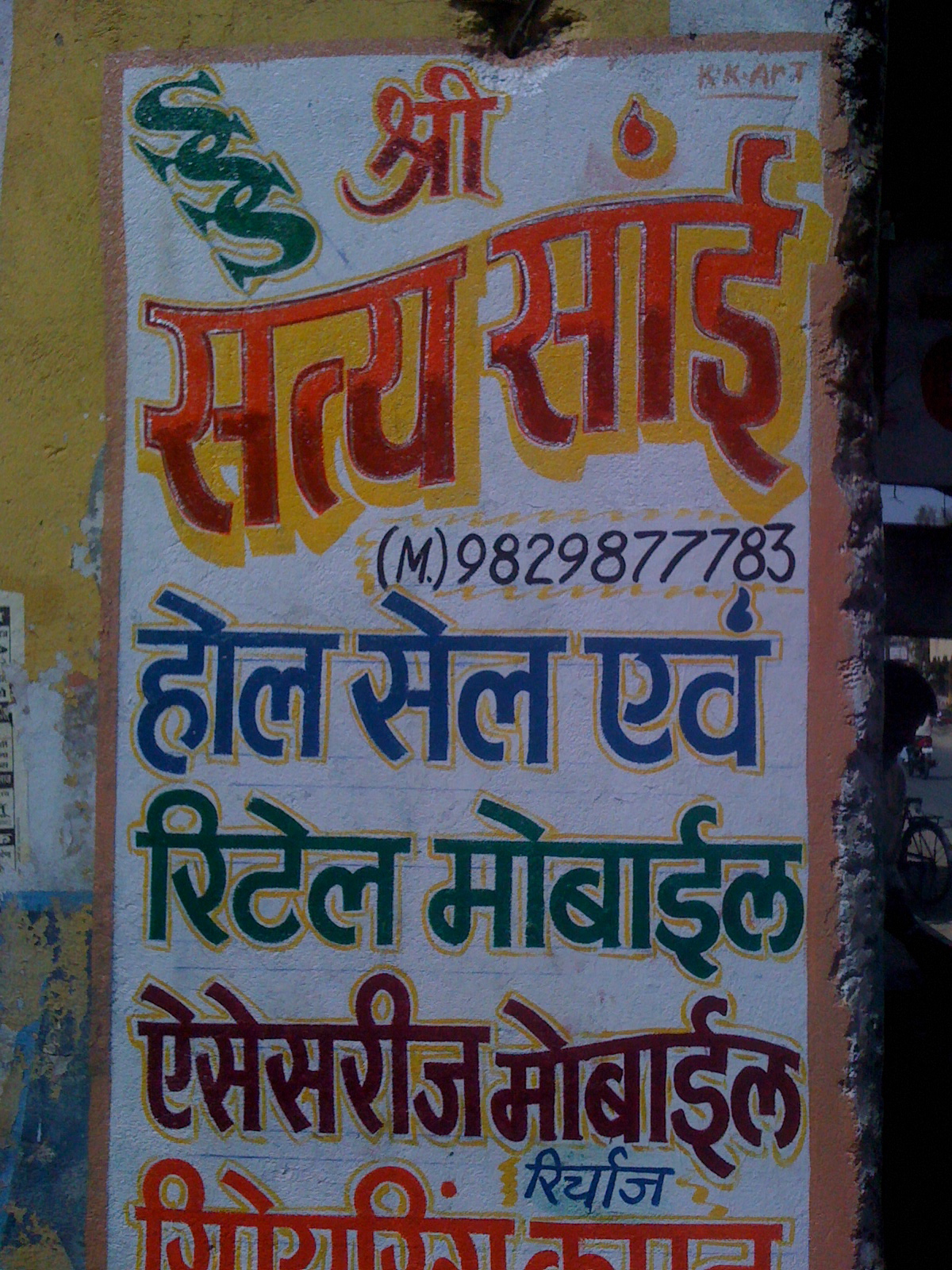
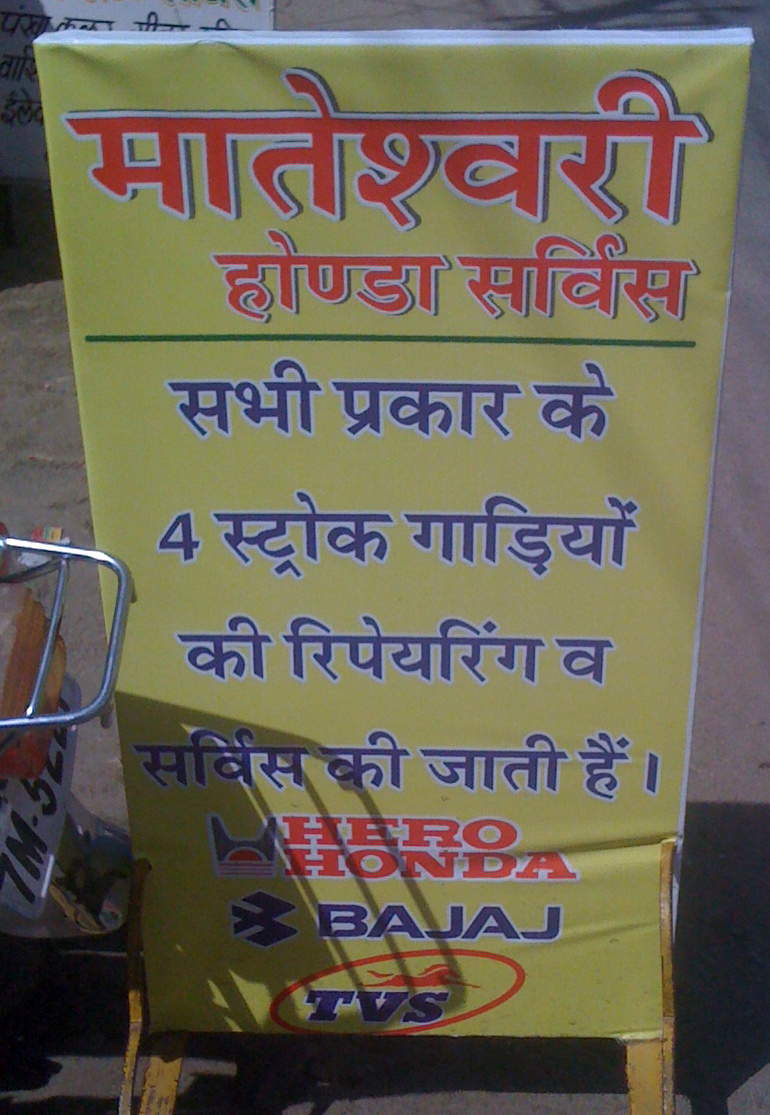
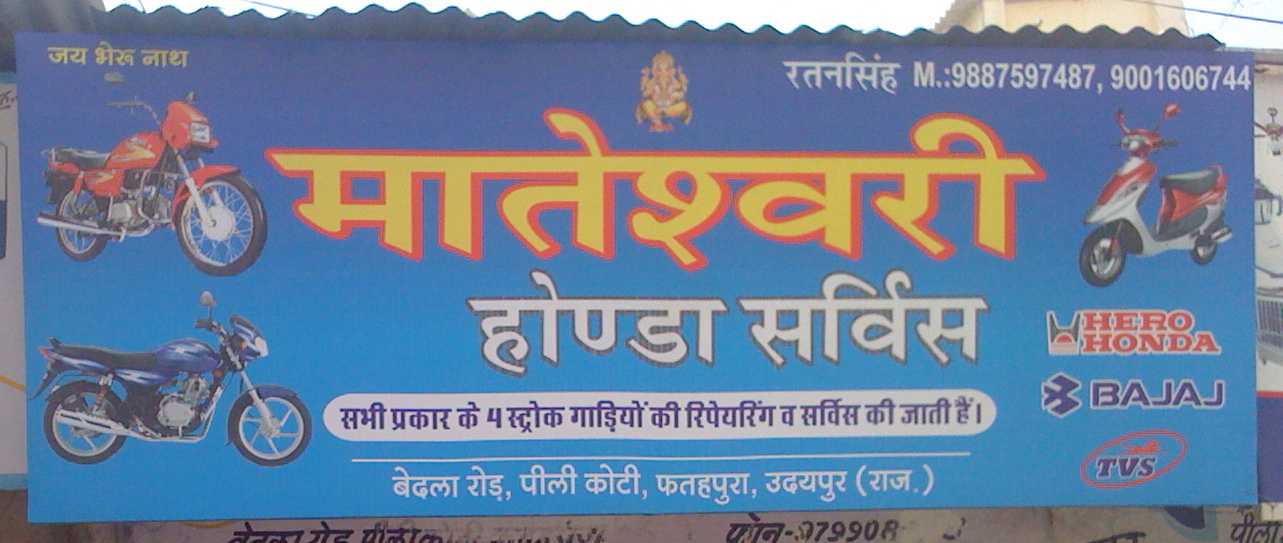
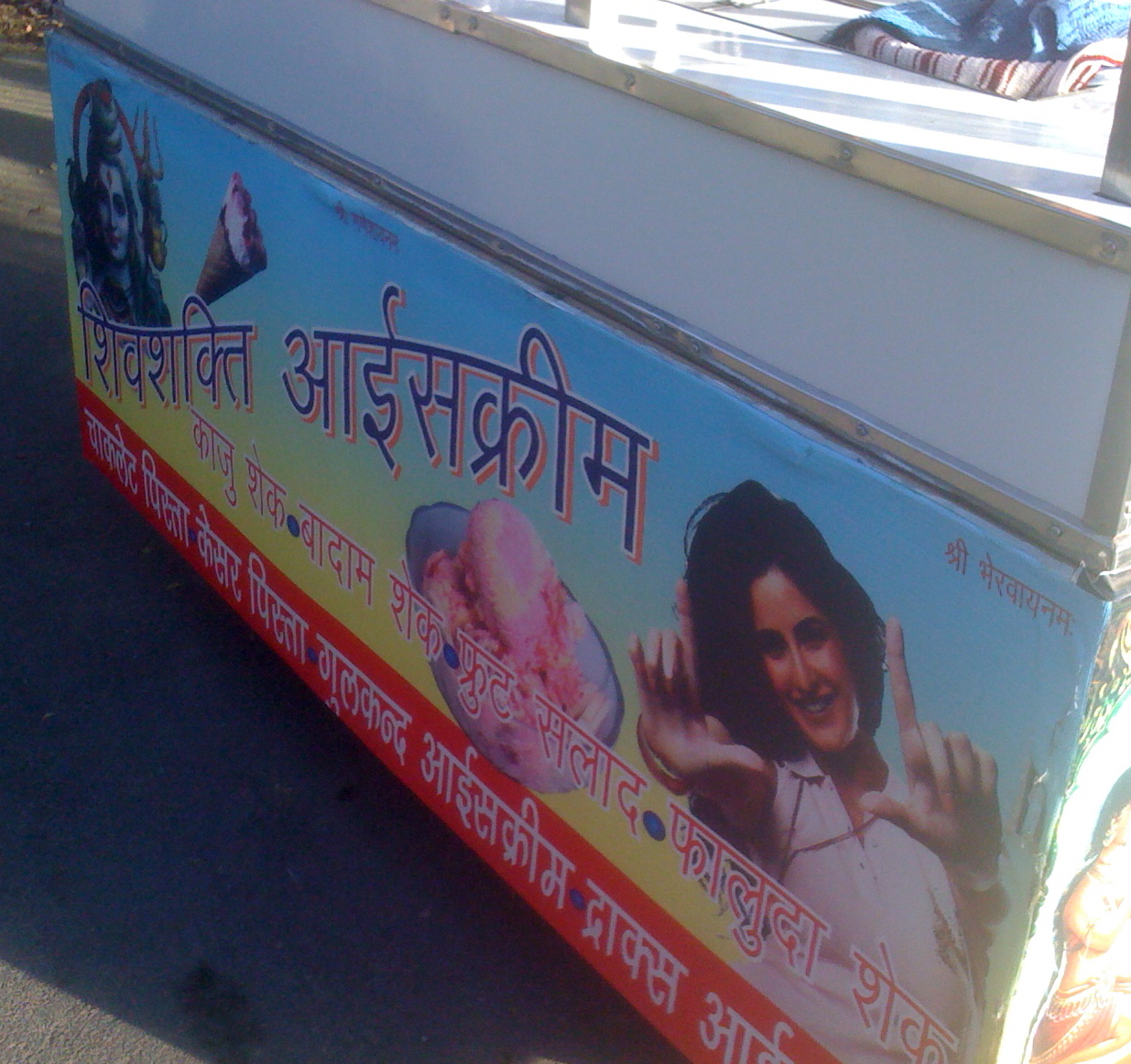
As good as the painted signs are, the computerized/printed signs are bad. There’s a limited font range and the colors are just uglier.
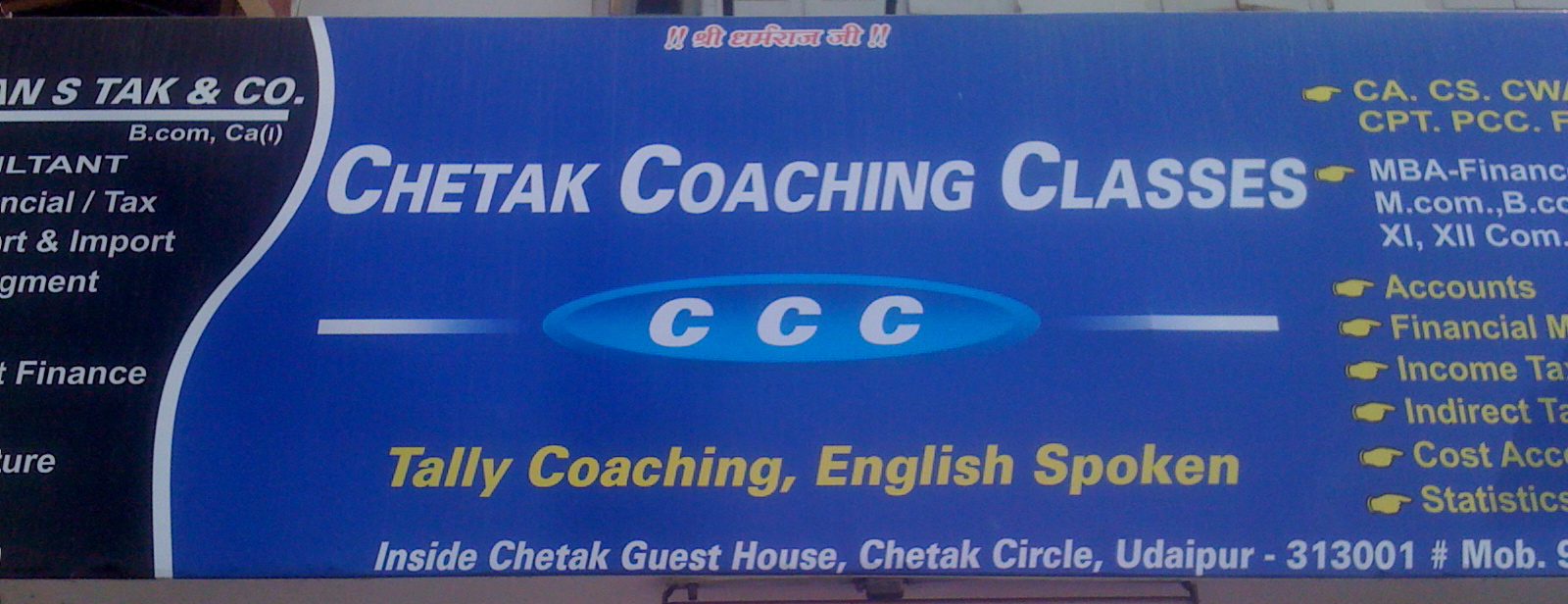
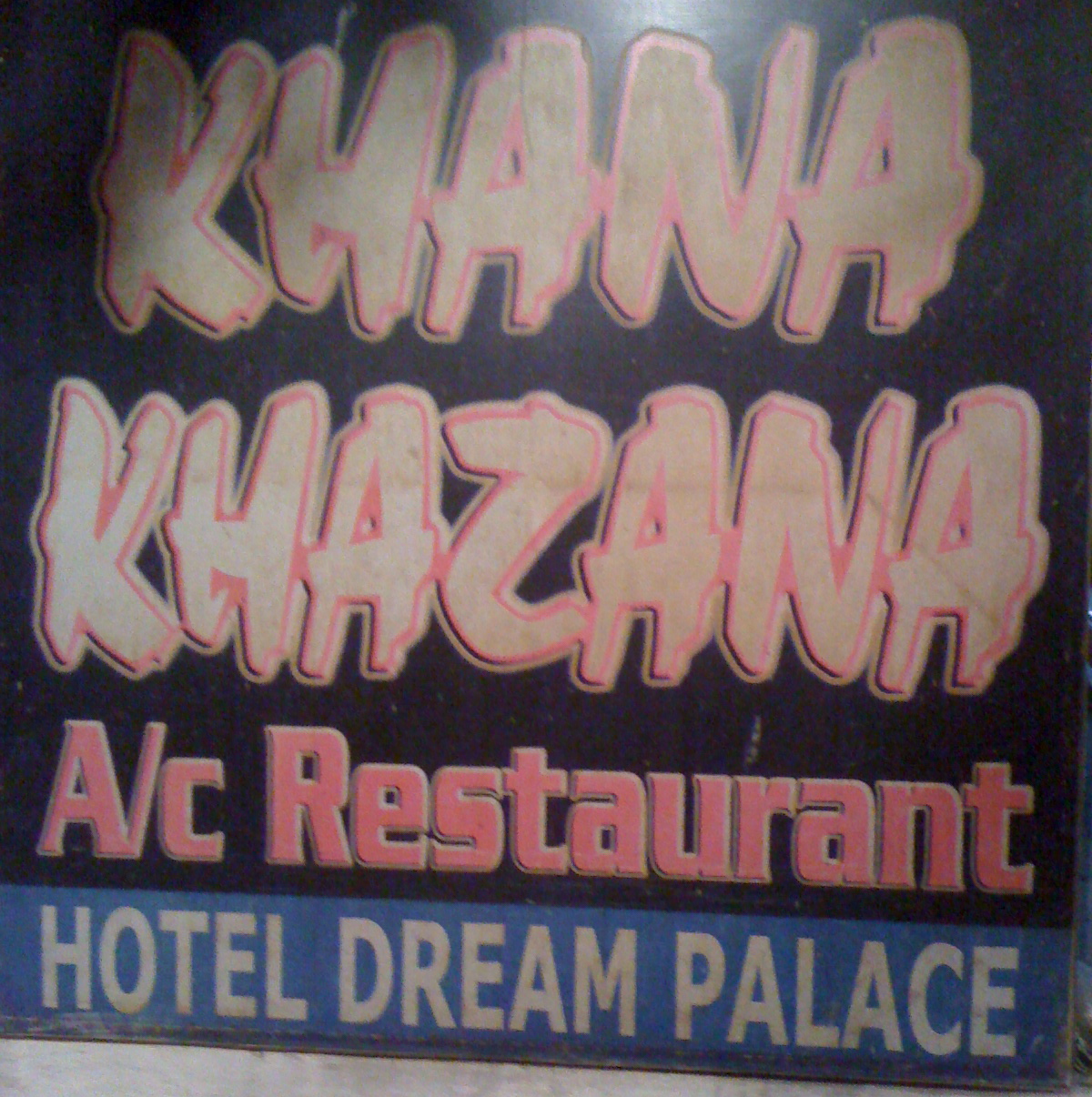
chetak

khana

yellow

cycle

icecream

I’ll accept that for the target audience, the signal might be different: a printed sign might indicate prosperity or technological sophistication. But it’s a shame because the hand-painted ones are so pretty.

Liked what you read? I am available for hire.

Will America have to spend money to cut emissions? McKinsey says no

>
This <a href=McKinsey Global Institute report from 2007 discusses the growth in US demand for energy. They collected a ton of data on how firms and consumers use energy around the world, and created a model of world demand for energy out to 2020. In line with this, they researched current best practices for energy efficiency around the world and described the gains that could be had if everyone upgraded to top-of-the-line equipment.The bottom line of their report is that cutting down on energy use and saving money go hand in hand. In the USA at least, we can have our cake and eat it, too. Purchasing new energy products often provides a return of 10% or more on investment. The report states that if consumers switched to the latest major applicances, upgraded their heating and cooling systems (installing high-efficiency heat pumps, more insulation, and/or switching to water heating), installed compact fluorescent lighting, and had small appliances switch to standby, they could enjoy significant savings on their energy bill. There are pennies on the ground here; why aren't they being picked up? Everyone likes saving money but the returns to investing in new appliances might not be completely clear. For one thing, utility bills don't provide any data to consumers that would help them cut down on energy use. Furthermore, utilities don't have much of an incentive to get consumers to use less energy; as public companies, more energy means more revenue and bigger budgets. Furthermore, people and firms move from place to place, so it might not make sense to invest in a new fridge, for example, if you think you are going to move in less than a year. I'm encouraged that most of the savings in the report are possible through the positive-IRR decisions of firms and consumers, and that they don't require a government subsidy. Methodology: I'm concerned about how they estimated consumer and firm current energy demand and the returns to investing in top-of-the-line equipment. On aggregate across all households, the IRR from upgrading all of your household appliances might be very high. But it may be the case that some houses have an IRR of 30% or more and most have an IRR of about 5%, in which case they might not want to invest in new energy technology, especially if they're planning on selling the house soon. On the whole, however, their estimates are probably biased low. They estimated a base case of $50/barrel for oil, which David Rutledge and I think is unrealistic. They also described best energy practices circa 2007, whereas the technology is bound to improve vastly over the course of thirteen years. Business Opportunity: There are clearly pennies on the ground here. I'm wondering why firms aren't going around offering consumers free or discounted new appliances in exchange for a cut of the savings on their energy bill. Maybe there are firms doing this and I'm not aware of them, because I don't pay an energy bill. Most firms that I know are focused more on sexier green products, like solar power. For someone who laments people who discuss global warming and possible solutions without including any sort of cost/benefit analysis, this report is helpful. The data in the report is edifying, providing breakdowns of energy use across the economy, and the predicted growth in each field.

Liked what you read? I am available for hire.

Soyabean curry

Soyabean Curry for 4. This is a pretty simple recipe: Ingredients: 75x grams rice 25x grams soyabean 1/4x onion 1/2x tomatoes 1/2x chillies 1/4x garlic Garam Masala, chilli powder, turmeric, coriander Steps: Wash all the vegetables Chop the onion Chop the tomatoes Chop the chillies Wash out the rice and add to the pot, let boil for 20 min or so (pressure cooker is useful for this) Add oil, salt, onions, chillies to the wok, stir till the onions are brown After about 5 mins add the spices After 2-3 minutes add the tomatoes, and some water Stir for a while Let it sit for a while Enjoy! Here's the final result. The power went out, but the gas still worked, so I put on a headlight and powered through: curry Yum!

Liked what you read? I am available for hire.

The future will look like this:

The Singularity is an event, predicted by AI researchers, when computers will be able to write programs to improve themselves. They'll soon be able to exponentially increase their intelligence and ability, so that the difference in intelligence between human and computer is far wider than the difference between the smartest human and the dumbest human. Here's an example from music, where a UCSC professor wrote a program to churn out Bach music:
Finally, Cope’s program could divine what made Bach sound like Bach and create music in that style. It broke rules just as Bach had broken them, and made the result sound musical. It was as if the software had somehow captured Bach’s spirit — and it performed just as well in producing new Mozart compositions and Shakespeare sonnets. One afternoon, a few years after he’d begun work on Emmy, Cope clicked a button and went out for a sandwich, and she spit out 5,000 beautiful, artificial Bach chorales, work that would’ve taken him several lifetimes to produce by hand.
Producing 5,000 world-class symphonies in an afternoon sounds right. H/t Jason Kottke.

Liked what you read? I am available for hire.

How to sell things to tourists

Companies catering to tourists are in a unique situation; they're competing in a one-off game with tens or hundreds of other firms, where the consumer has limited information about the quality of the firm. What signals are likely to be credible in this situation? I think that these places can do some work to set themselves apart and attract business. From worst to best:
Superlatives/claims: You would have to be a gullible tourist indeed to believe a place is "the best restaurant in Nainital," or a "fair price shop." Anything a tourist company says is not really credible, especially when it's not (and really can't be) backed up by a guarantee or refund.
Weak affiliations: By this I mean places that call themselves Tourist Hotel, India Hotel, Hotel of Nainital" etc. This is just above meaningless, because the signal's so cheap.
Logos/External Appearance: This seems like it would be relatively cheap to paint your walls, afford a decent looking logo, a consistent color scheme and an inviting lobby/waiting area. I'm compiling a photo series to show off later, but the hand-painted signs and logos in India are beautiful and the printed signs look like stuff I used to make on PageMaker 5 when I was in 4th grade. Investing in your external appearance signals to tourists that your hotel or restaurant is trustworthy.
Location: This is the main money-maker today; placement along the main tourist drag signals trustworthiness. Tourists are also lazy, or have large bags and can't be bothered to walk all over town searching for the best value for their money. However the returns relative to the rents you have to pay to locate along the main drag might not make it the most profitable.
Making your prices public: Let's face it, some people are willing to pay a slight premium in exchange for the knowledge they're not getting completely ripped off. As a white person, I'm an obvious target for extortion; but if a firm publicly lists their prices then I know that they're the same for everyone. Establishments would lose out on the knowledgeable tourists but they would probably get more than enough traffic from the people who don't know anything about local prices. Restaurants do this, but some have a tourist (or English) menu and a local menu, too.
Advertising: The necessity of advertising, especially for firms with a poor location, is obvious.
Recommendation from a guidebook: The guidebook probably picks tourist establishments at a rate of one out of every twenty hotels and restaurants and two of every three attractions (boat rides, museums, etc). Just getting mentioned in a guidebook gives you a headstart over every other establishment. Maybe places court guidebooks like Lonely Planet (those that get in sure do advertise it, and, I'm guessing, get a bump in traffic); if they don't, they sure should.
Strong affiliation: I'm talking about consumer brands, like McDonalds, Marriott, Super 8 or similar. Especially when there are no other brands to compete with, this should give an establishment a HUGE advantage. Furthermore what's stopping an establishment from establishing a brand? Let's say I own a hotel in Udaipur. Two of the likely next stops are in Jodhpur and Jaisalmer; why don't I call up hotels in those towns, agree to cooperate and then change our names so something distinct? Then the (word for cactus) Hotels have created a brand, without anything more than a sign change. Assuming you have a positive experience, which can be easily reinforced by unannounced hotel inspections, someone who stays at one is more likely to stay at the same place in a different city, and your profits increase.
Tourists are desperate to find anything they can trust, and firms selling to tourists should do more experimentation with the signals they display. I think most of them could draw more traffic with some simple changes.

Liked what you read? I am available for hire.